Tell us about the job
Takes about a minute. No obligation.
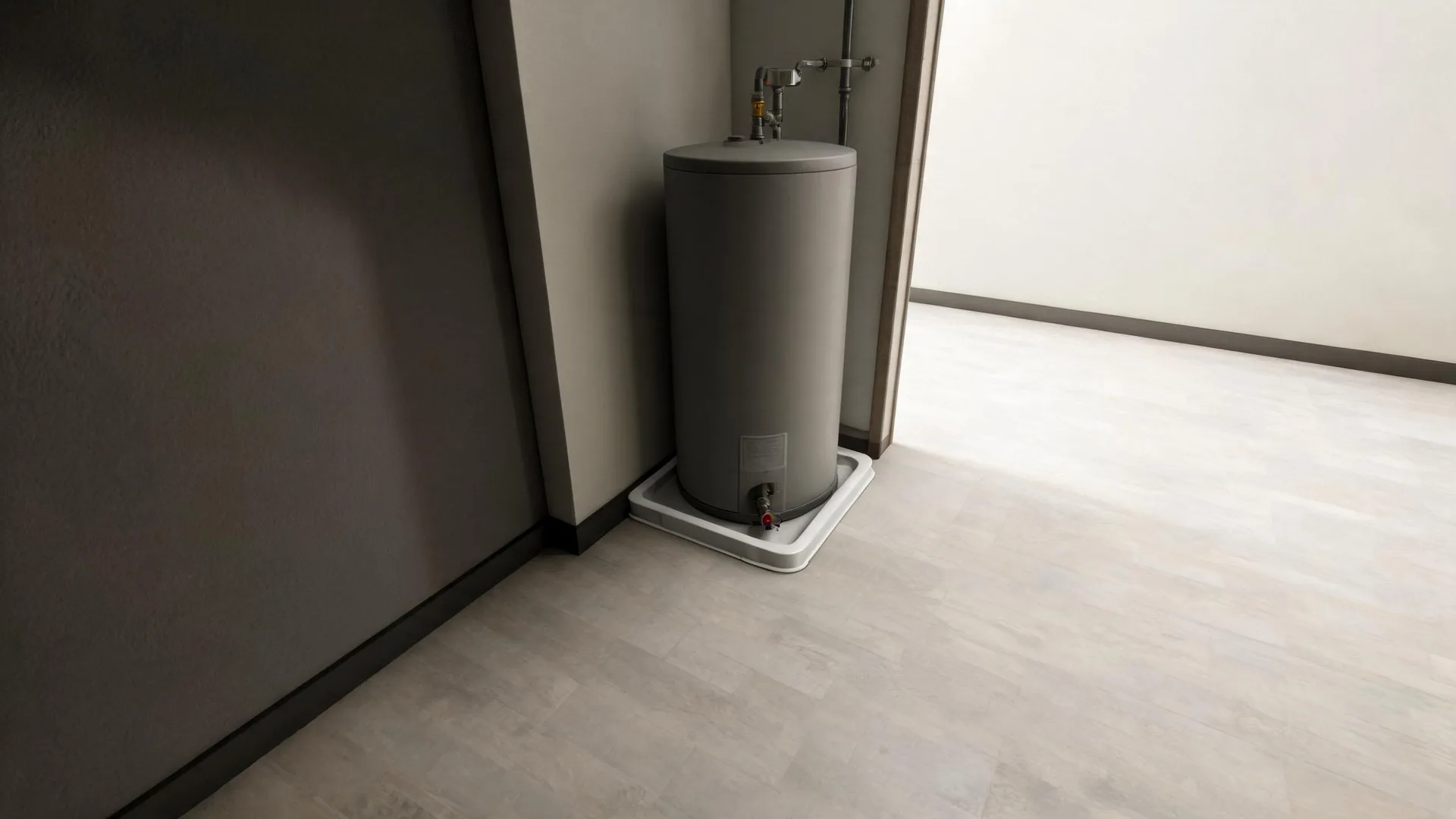
A contractor repairing a water heater here has to settle one question before anything else: whether what failed did so from age and sediment buildup, or from the strain that comes with sustained exposure to severe conditions. 196 severe weather events were recorded in Sawyer County, Wisconsin between 2015 and 2024. At that rate, severe weather is a standing feature of life for every system in this county, not an occasional interruption. The heating element, the anode rod, and the pressure relief valve all carry that load over years, and a contractor working a repair in Sawyer County checks each of them against both wear patterns before quoting a fix.
Water heaters in a house built for earlier equipment have usually been swapped out at least once, sometimes more. Half the homes in Sawyer County, Wisconsin were built in 1985 or earlier (2020-2024 ACS 5-year). That history of replacement means the unit a contractor opens today is not necessarily the vintage of the house around it, but the repair scope still depends on what they find inside: whether wear is limited to a single component or has spread to the heat exchanger, anode rod, or connections, and whether the parts that unit takes are still in supply. An older housing stock accumulates exactly that kind of layered replacement history, and the condition of the current unit is the thing a contractor has to confirm before a repair can be scoped or priced.
The Parts of a Water Heater a Contractor Checks First
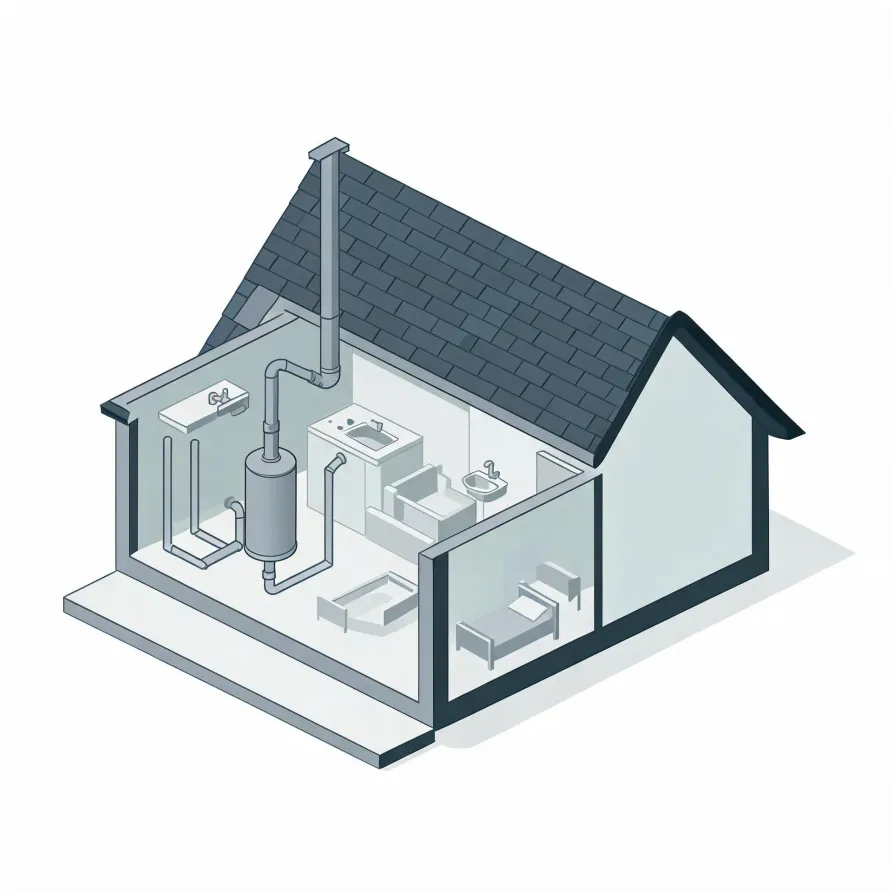
The tank is the piece a homeowner sees first, usually standing in a utility room, basement, or garage closet. It holds and heats the water. When a repair call comes in, the tank itself, its anode rod, and the pressure relief valve are the first places a contractor looks, because each one has a clear and observable failure mode.
The burner assembly or heating element sits inside or beneath the tank depending on whether the unit runs on gas or electricity, and the thermostat connects to it to regulate temperature. The dip tube runs down into the tank to direct cold incoming water to the bottom. A problem with any of these shows up as water that is too cold, too hot, or arriving discolored.
The drawing shows a general layout of these components, and a licensed contractor determines what applies to the specific unit and setup in your home.
Get matched in Sawyer CountySawyer County, by the numbers
196 severe weather events were recorded in Sawyer County, Wisconsin between 2015 and 2024.
NOAA National Centers for Environmental Information, Storm Events Database, bulk CSV export, events 2015-01-01 through 2024-12-31.Half the homes in Sawyer County, Wisconsin were built in 1985 or earlier (2020-2024 ACS 5-year).
U.S. Census Bureau, 2020-2024 American Community Survey 5-Year EstimatesSawyer County, Wisconsin holds 16,250 housing units (2020-2024 ACS 5-year).
U.S. Census Bureau, 2020-2024 American Community Survey 5-Year EstimatesOwners occupy 76.7% of the occupied homes in Sawyer County, Wisconsin (2020-2024 ACS 5-year).
U.S. Census Bureau, 2020-2024 American Community Survey 5-Year EstimatesCodes & Standards Covering Water Heater Repair in Sawyer County, Wisconsin2 sourced rules and standards
Licensing Rules for HVAC Repair in Sawyer County, Wisconsin
A Wisconsin business that employs a certified HVAC qualifier is a certified HVAC business, and no city or county may require it to hold a local certification or licence on top of that.
Wisconsin requires a state HVAC contractor registration: no person or business may install or service heating, ventilating or air conditioning equipment, or offer to, without one.
Severe Weather Events in Sawyer County
Extreme weather puts water heaters under real stress, forcing them to work harder and wear faster. How often that pressure lands on equipment in Sawyer County shapes what repair work looks like here.
196 severe weather events, 2015–2024. Source: NOAA National Centers for Environmental Information, Storm Events Database.