Tell us about the job
Takes about a minute. No obligation.
A water heater in this county has not been sitting in calm, uneventful conditions. 167 severe weather events were recorded in Milwaukee County, Wisconsin between 2015 and 2024. At that rate, severe weather is a standing feature of life here, and every system has been carrying that load season after season. A contractor repairing a unit in Milwaukee County looks at the anode rod, the pressure relief valve, and tank connections for stress-driven wear before concluding the failure is simply age. Sometimes it is both, and the repair scope reflects that.
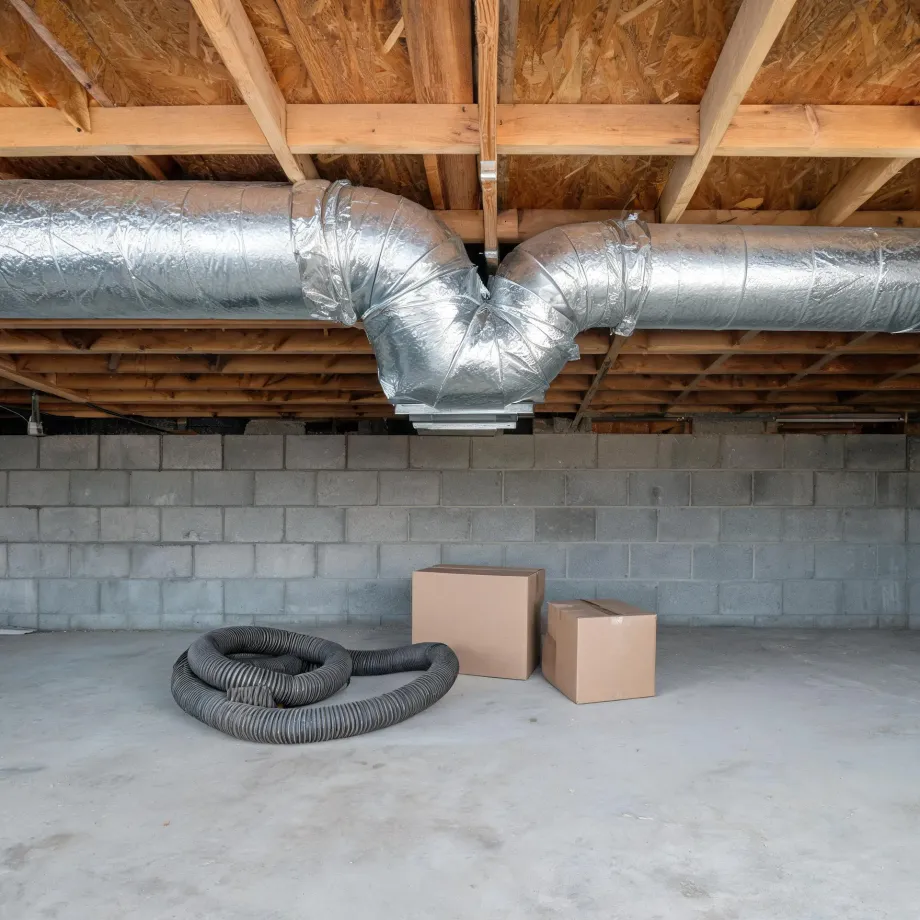
Half the homes in Milwaukee County, Wisconsin were built in 1957 or earlier (2020-2024 ACS 5-year). A water heater in a house this old sits inside plumbing runs and venting that were configured for something earlier and adjusted along the way. When a contractor opens a failed unit, what determines the repair scope is not the unit's label but what the surrounding pipe work and flue connections actually are: whether venting still draws correctly, whether supply lines have been spliced in ways that put stress on fittings, whether a previous repair left a condition that accelerated the current one. Those are physical facts inside the house, and they vary address by address regardless of what the equipment's age suggests from the outside.
The Parts of a Water Heater a Contractor Checks During a Repair
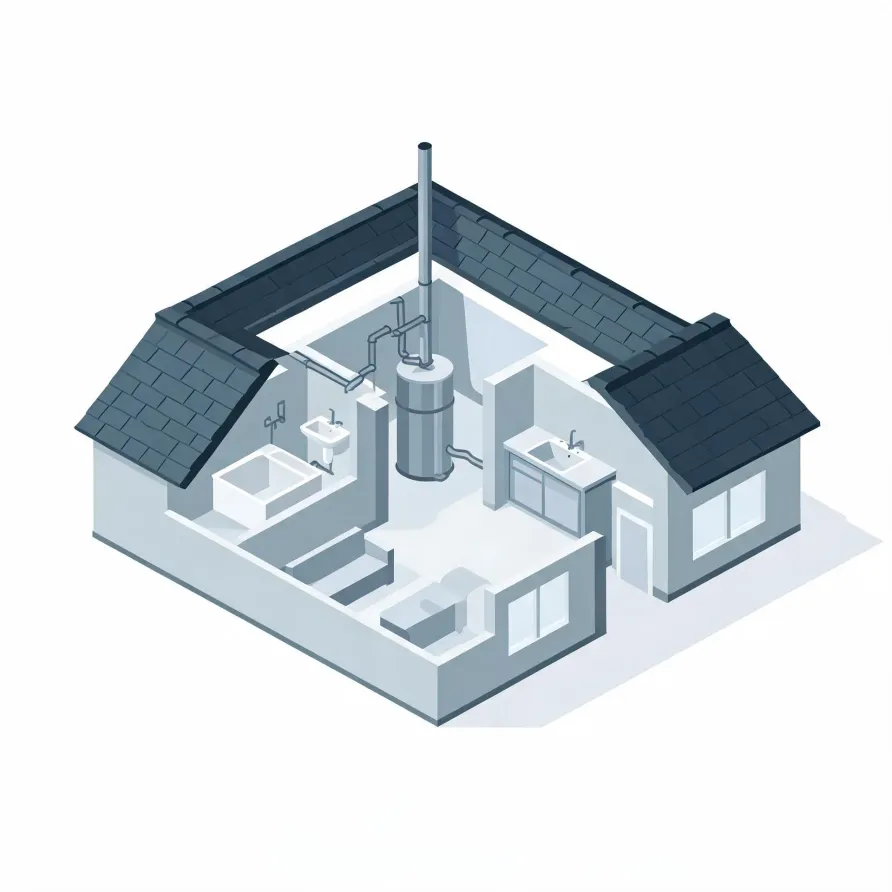
The tank is the heart of the system, a large insulated vessel that sits in a utility space, basement, or closet and holds water at a set temperature. The burner assembly or heating element sits at the base or inside the tank and is the first place a contractor looks when the water runs cold or the unit stops responding.
The thermostat controls the target temperature and is mounted directly on the tank or built into the element itself. The pressure relief valve sits on the tank's side and is a safety component that a contractor checks whenever there are signs of overheating or unusual sounds. The anode rod runs down into the tank and slows corrosion from the inside.
The drawing shows the general layout of a water heater system, and a licensed contractor determines which parts apply to the specific unit and conditions in your home.
Get matched in Milwaukee CountyMilwaukee County by the Numbers
167 severe weather events were recorded in Milwaukee County, Wisconsin between 2015 and 2024.
NOAA National Centers for Environmental Information, Storm Events Database, bulk CSV export, events 2015-01-01 through 2024-12-31.Half the homes in Milwaukee County, Wisconsin were built in 1957 or earlier (2020-2024 ACS 5-year).
U.S. Census Bureau, 2020-2024 American Community Survey 5-Year EstimatesMilwaukee County, Wisconsin holds 426,715 housing units (2020-2024 ACS 5-year).
U.S. Census Bureau, 2020-2024 American Community Survey 5-Year EstimatesOwners occupy 49.9% of the occupied homes in Milwaukee County, Wisconsin (2020-2024 ACS 5-year).
U.S. Census Bureau, 2020-2024 American Community Survey 5-Year EstimatesWater Heater & HVAC Repair Rules for Milwaukee County, Wisconsin2 codes & standards
Licensing and Legal Requirements in Milwaukee County, Wisconsin
A Wisconsin business that employs a certified HVAC qualifier is a certified HVAC business, and no city or county may require it to hold a local certification or licence on top of that.
Wisconsin requires a state HVAC contractor registration: no person or business may install or service heating, ventilating or air conditioning equipment, or offer to, without one.
Severe Weather Events in Milwaukee County
Extreme weather puts real strain on water heaters, forcing them to work harder and wear faster than they would under mild conditions. How much pressure a unit faces over its lifetime is a local fact, and Milwaukee County's weather record is part of what shapes the repair picture here.
167 severe weather events, 2015–2024. Source: NOAA National Centers for Environmental Information, Storm Events Database.