Tell us about the job
Takes about a minute. No obligation.
A contractor quoting a water heater repair in Richland County starts with the unit itself: how old it is, how it was installed, and whether it has been serviced. 56 severe weather events were recorded in Richland County, Wisconsin between 2015 and 2024. At that rate, severe weather touches the area but does not define what equipment here is running against. Sediment buildup, a failing heating element, or a corroded anode rod are what a contractor expects to find, and those failures follow years of ordinary use rather than storm exposure.
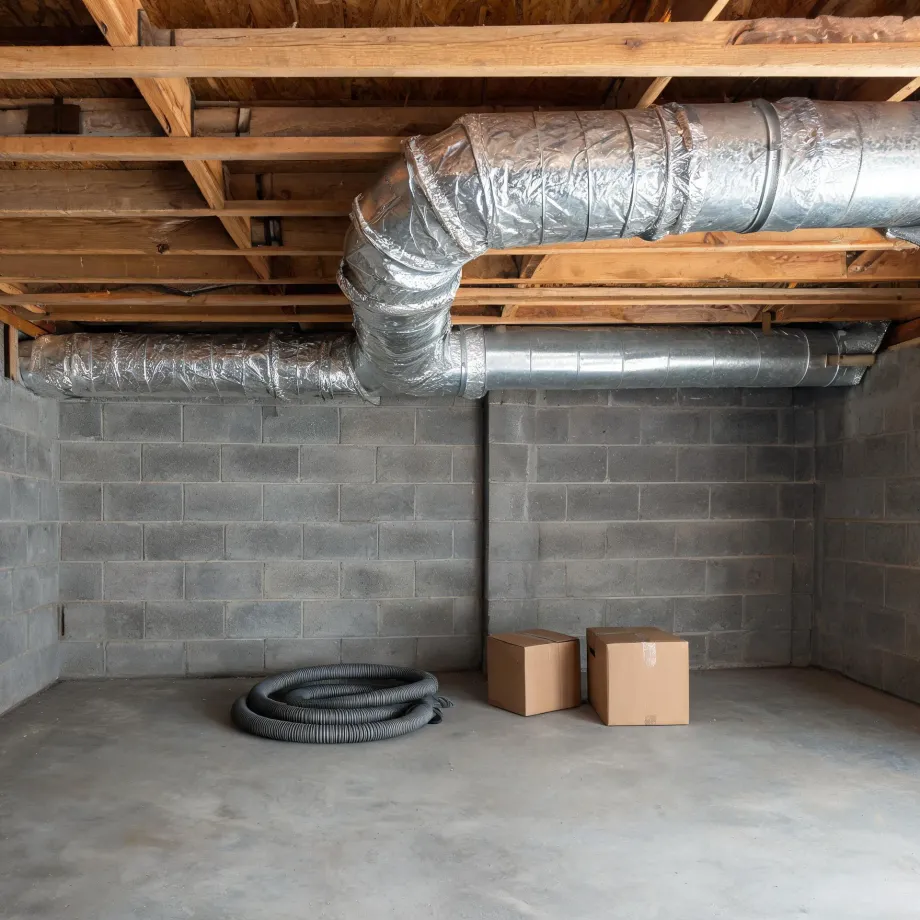
Plumbing in a house built generations back has been touched many times since it went in. Fittings get replaced, tanks get swapped, and the configuration a contractor finds on arrival reflects decisions made across multiple owners, not just the original build. Half the homes in Richland County, Wisconsin were built in 1971 or earlier (2020-2024 ACS 5-year). That history matters for repair work because the tank and its connections may not match each other in age or in standard, which means a contractor has to read the actual assembly before quoting anything. Corrosion at the inlet, sediment load, and the condition of the pressure relief valve are what decide scope, and none of those are visible from the outside.
The Parts of a Water Heater a Contractor Checks During Repair
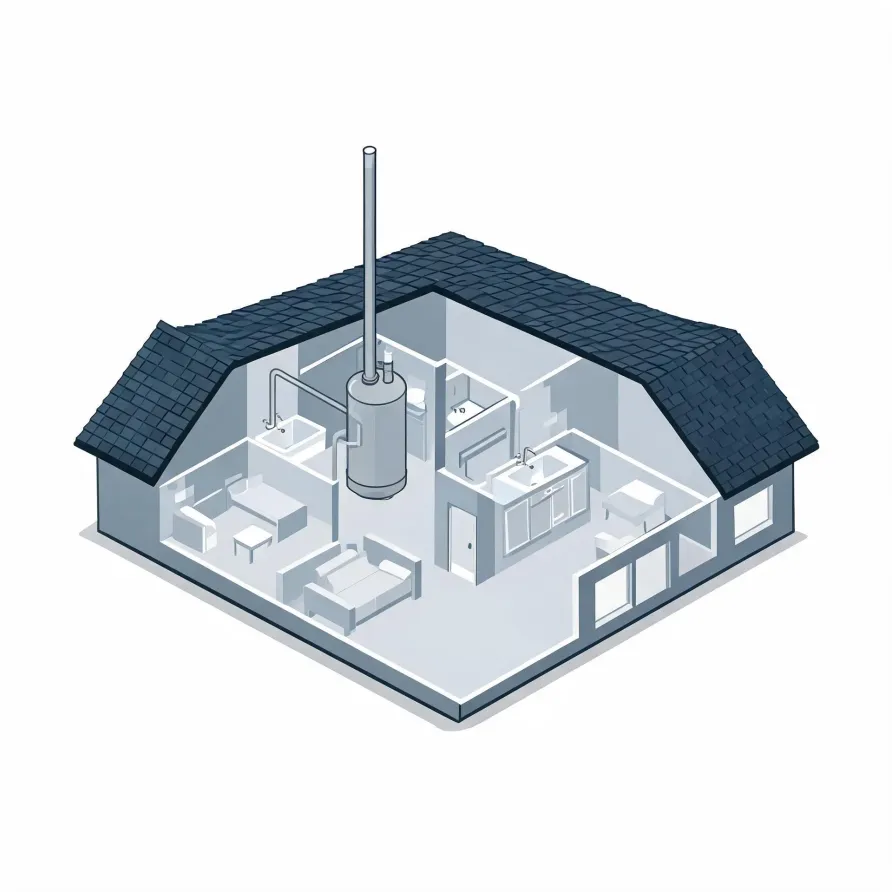
The tank is the piece a homeowner notices first, a large insulated cylinder that sits in a utility room, basement, or garage and holds water at a set temperature. Attached to the tank are the heating elements or burner assembly, which do the actual work of raising water temperature, and the thermostat, which tells those components when to run and when to stop.
The pressure relief valve mounts on the side of the tank and opens automatically if internal pressure climbs too high. The anode rod hangs inside the tank and slows corrosion of the metal lining. The dip tube runs down into the tank and directs cold incoming water to the bottom so it does not mix with the hot water rising at the top.
The drawing shows a general layout of these components, and a licensed contractor determines which of them apply to the specific unit and setup in your home.
Get matched in Richland CountyRichland County, Wisconsin, by the numbers
56 severe weather events were recorded in Richland County, Wisconsin between 2015 and 2024.
NOAA National Centers for Environmental Information, Storm Events Database, bulk CSV export, events 2015-01-01 through 2024-12-31.Half the homes in Richland County, Wisconsin were built in 1971 or earlier (2020-2024 ACS 5-year).
U.S. Census Bureau, 2020-2024 American Community Survey 5-Year EstimatesRichland County, Wisconsin holds 8,532 housing units (2020-2024 ACS 5-year).
U.S. Census Bureau, 2020-2024 American Community Survey 5-Year EstimatesOwners occupy 73.9% of the occupied homes in Richland County, Wisconsin (2020-2024 ACS 5-year).
U.S. Census Bureau, 2020-2024 American Community Survey 5-Year EstimatesCodes & Standards Governing Water Heater Repair in Richland County, Wisconsin2 sourced rules and standards
Licensing and Legal Requirements in Richland County, Wisconsin
A Wisconsin business that employs a certified HVAC qualifier is a certified HVAC business, and no city or county may require it to hold a local certification or licence on top of that.
Wisconsin requires a state HVAC contractor registration: no person or business may install or service heating, ventilating or air conditioning equipment, or offer to, without one.
Severe Weather Events in Richland County
Extreme weather puts water heaters under strain, forcing recovery cycles that wear components faster than ordinary daily use. How much of that load a unit carries depends on what the local climate actually delivers, which is why the record below matters for repair work in Richland County.
56 severe weather events, 2015–2024. Source: NOAA National Centers for Environmental Information, Storm Events Database.